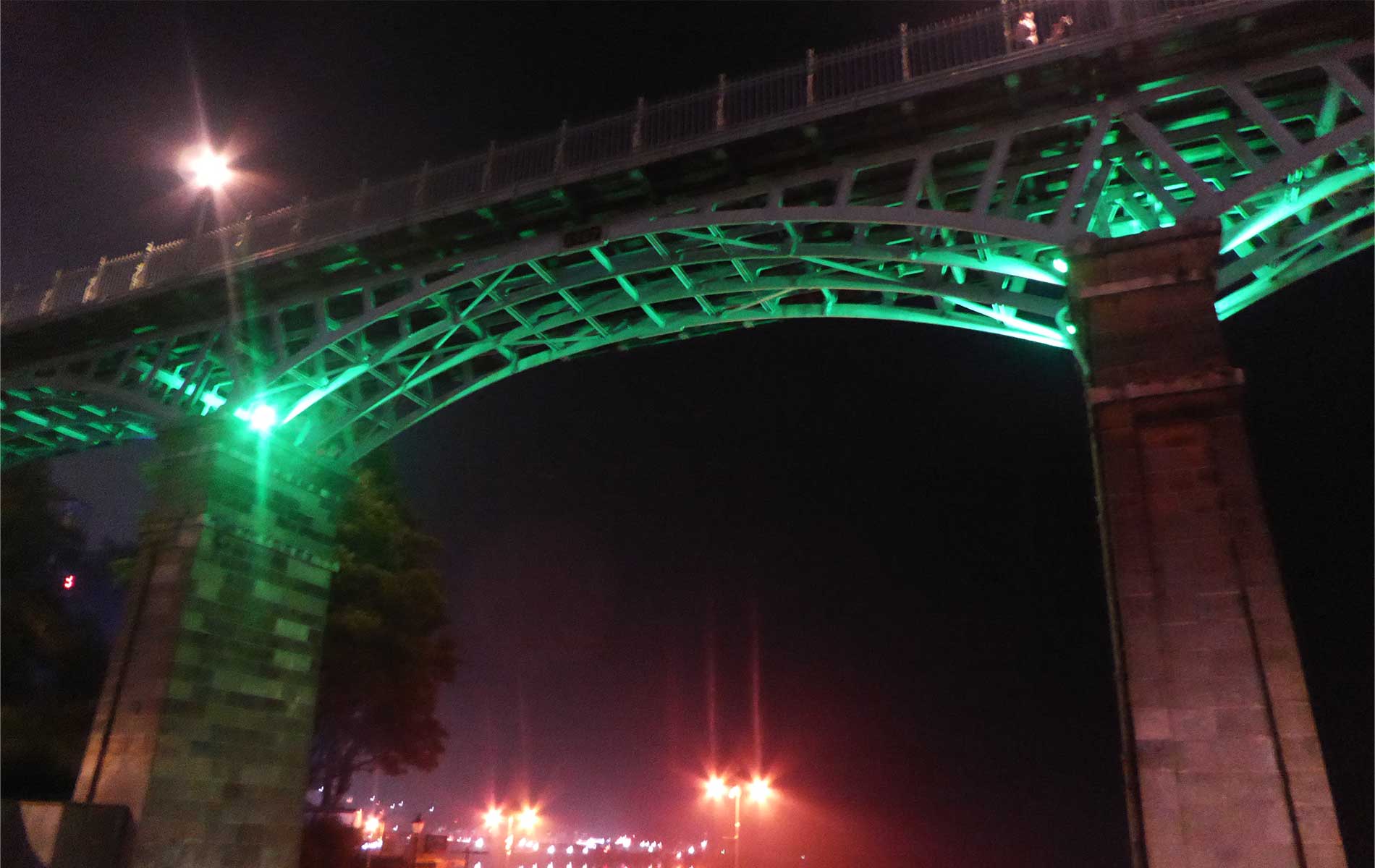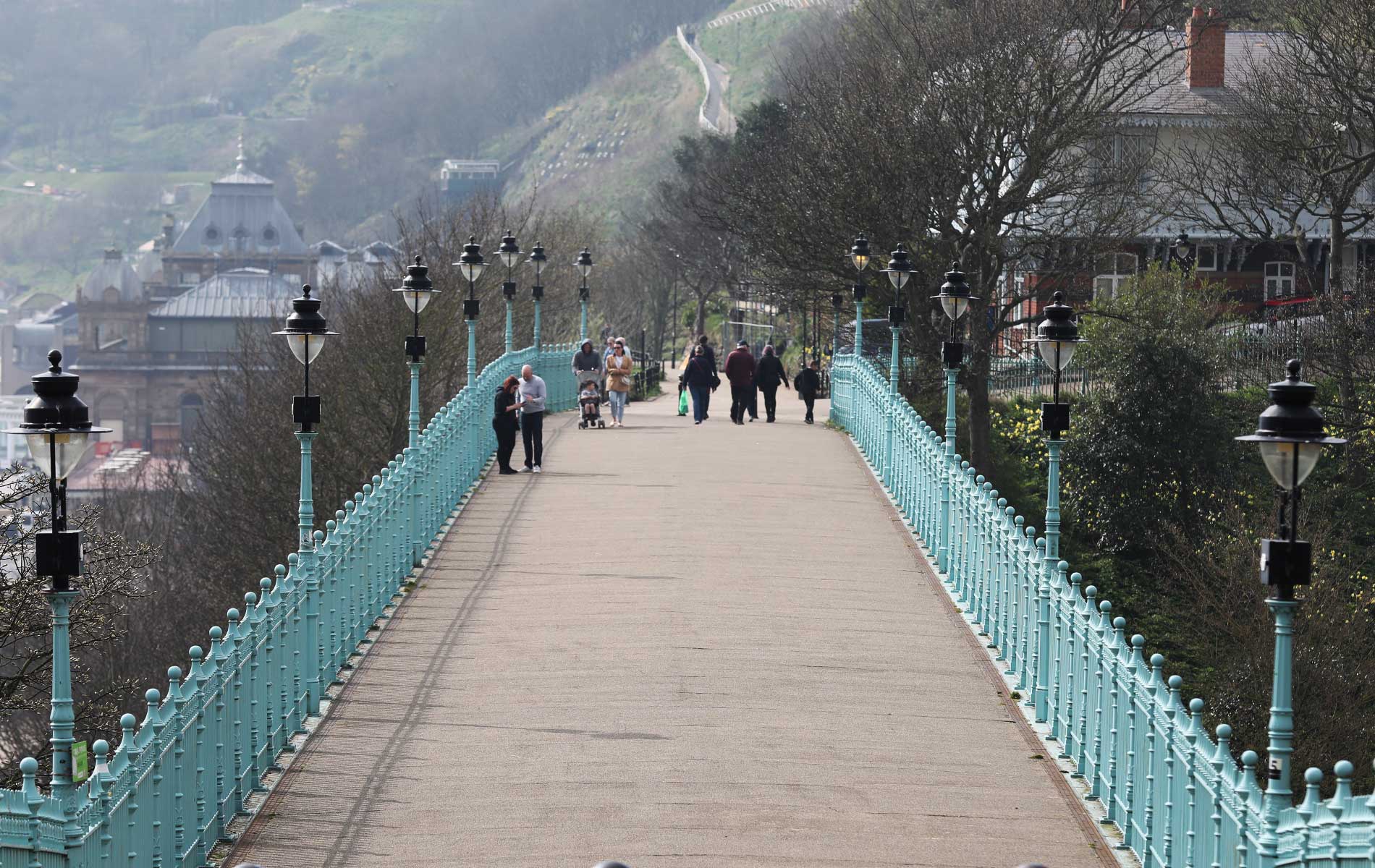
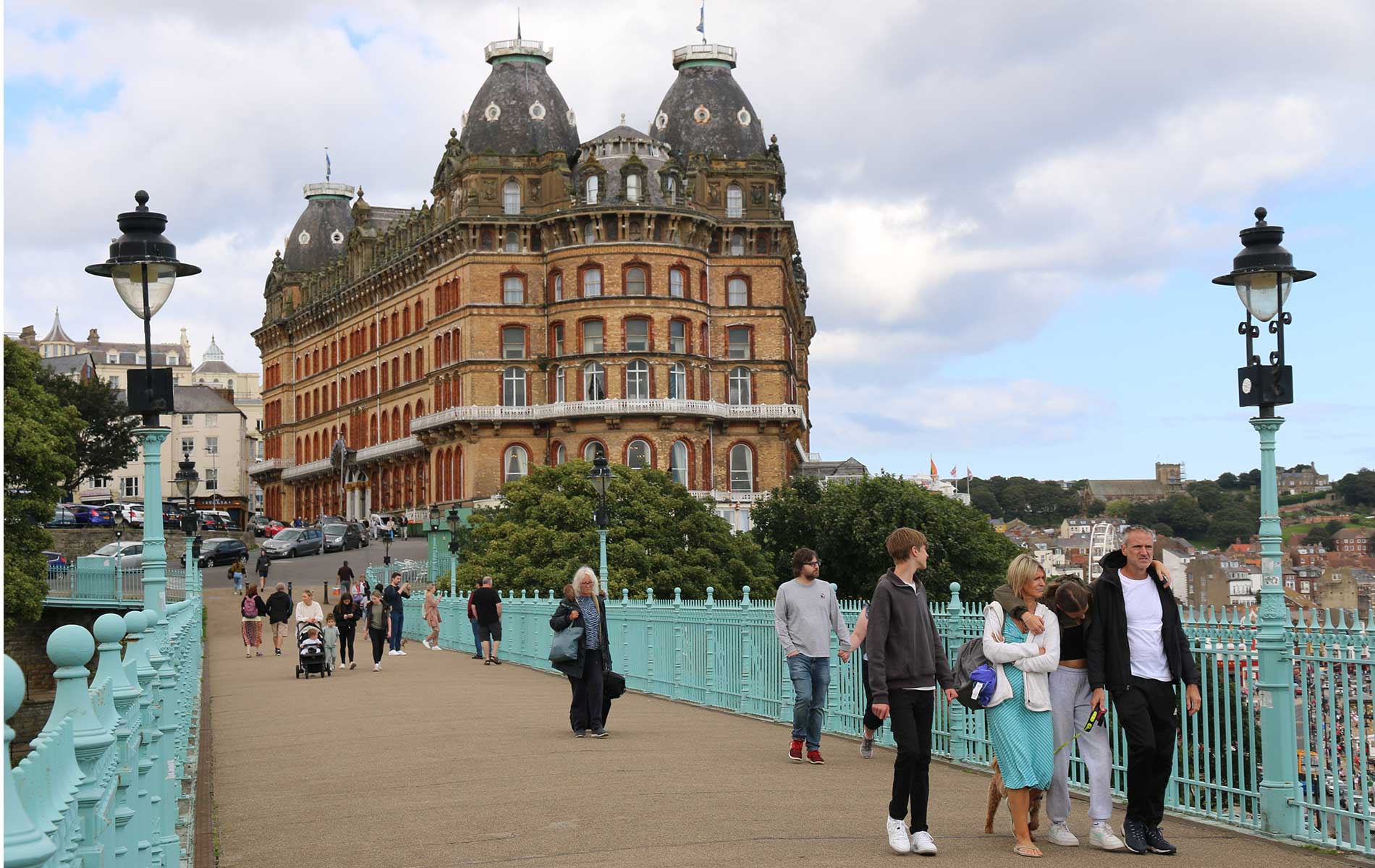
Cliff Bridge is a notable Georgian/Victorian footbridge located in Scarborough, designed for people to access the spa waters.
Cliff Bridge is a notable Georgian/Victorian footbridge located in Scarborough, designed for people to access the spa waters.
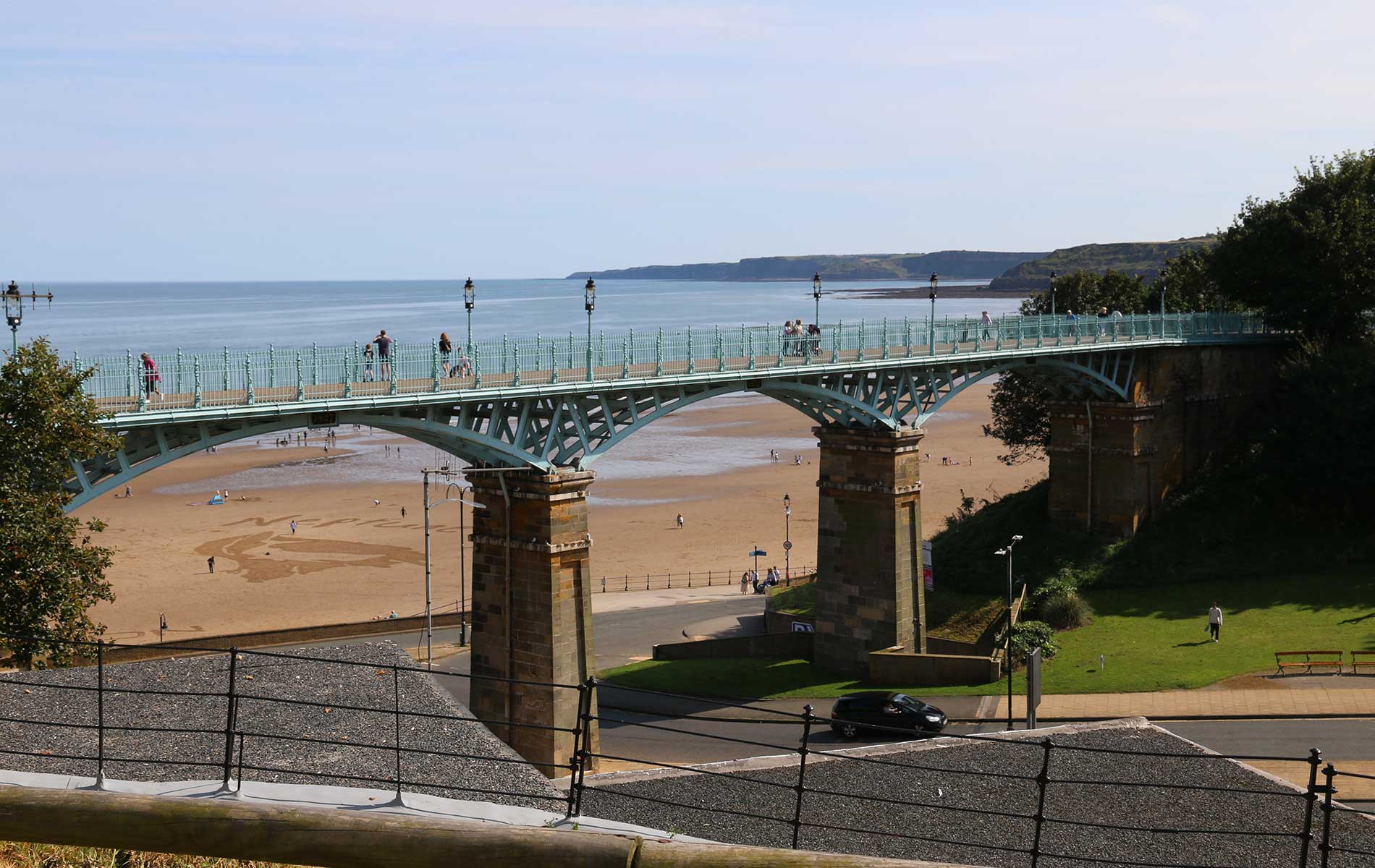
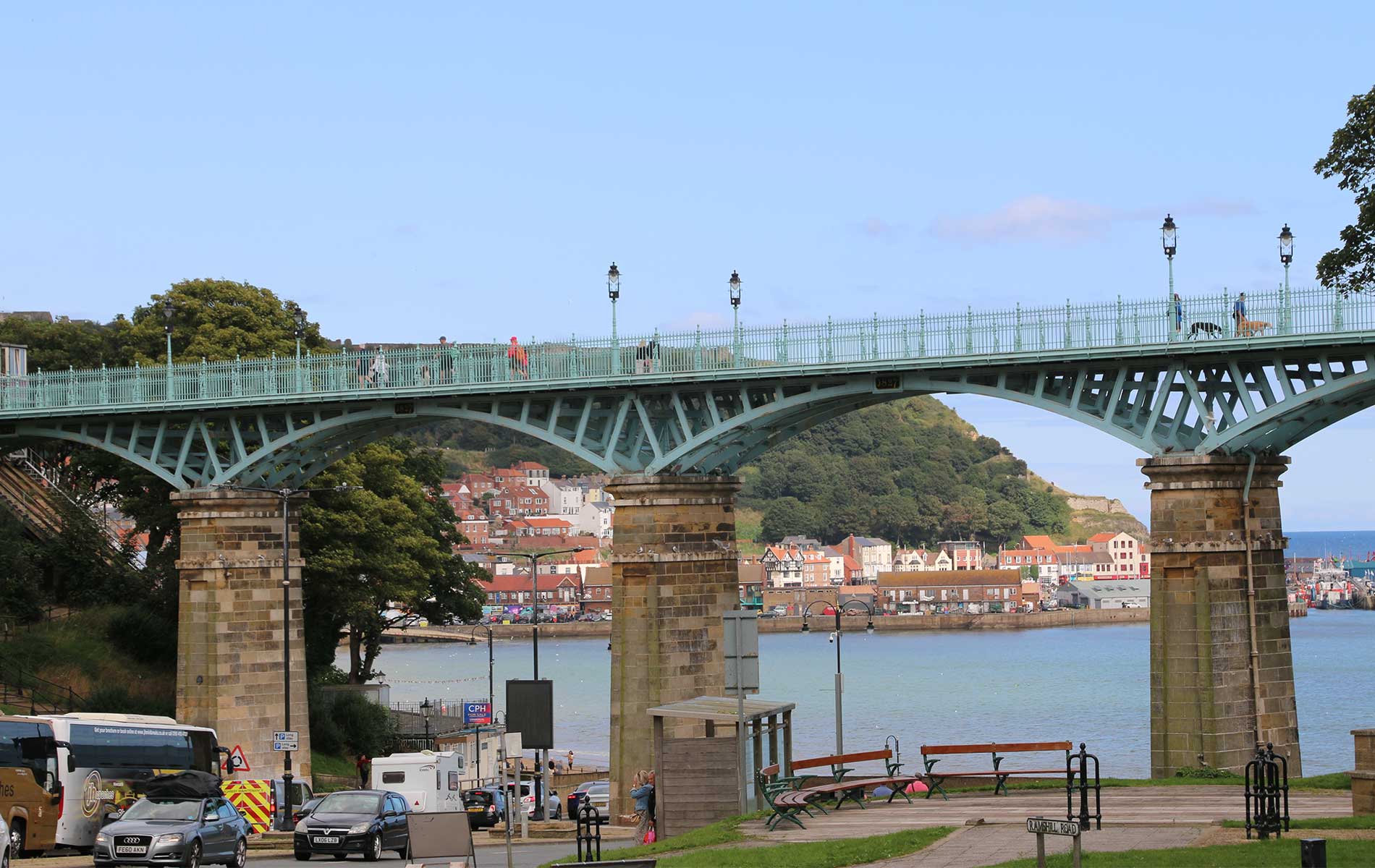
While strolling through Scarborough and enjoying the scenery, you may notice this elegant arched iron bridge, visible from North Bay, the town's main area.
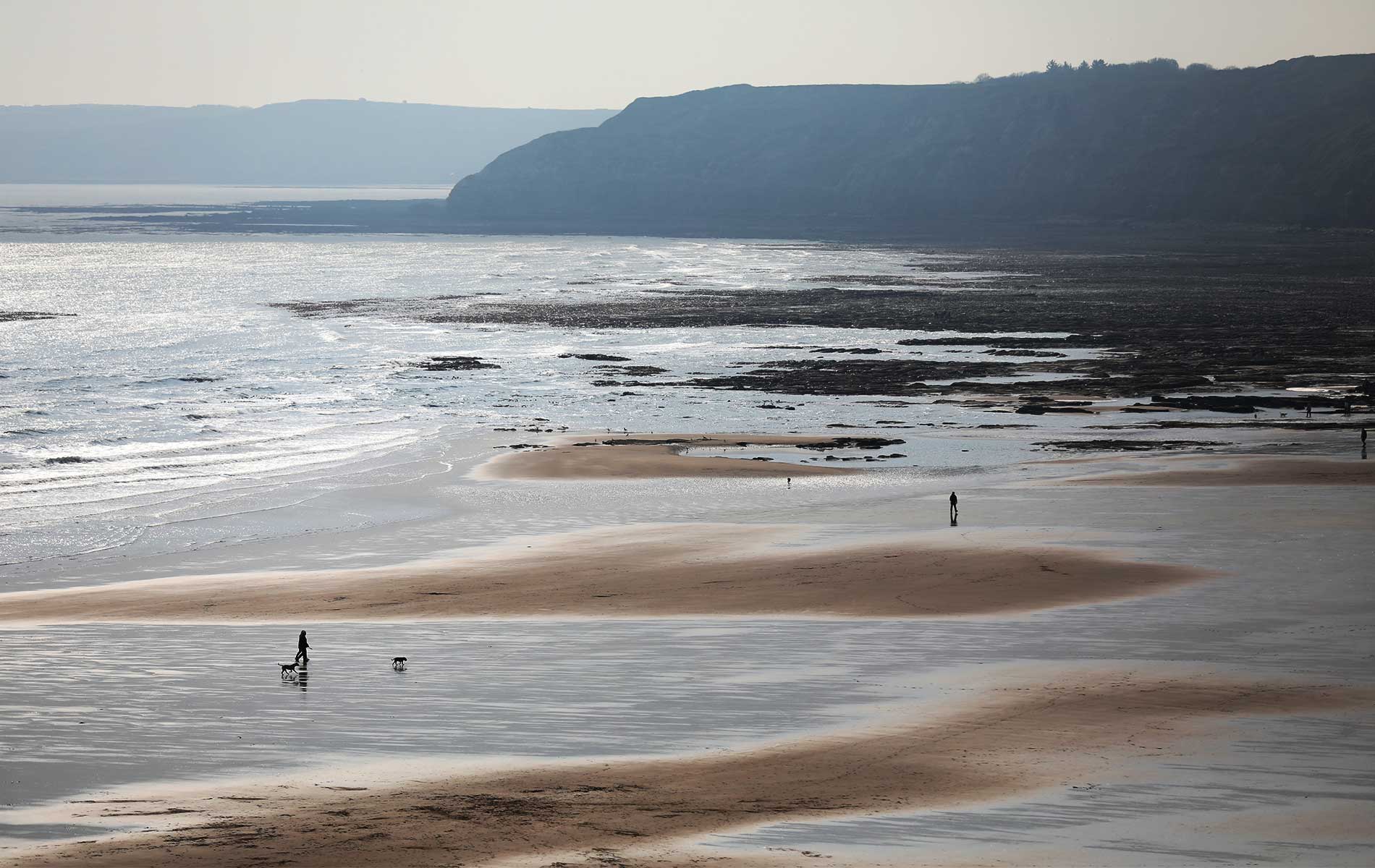
As a prominent feature in the South Bay
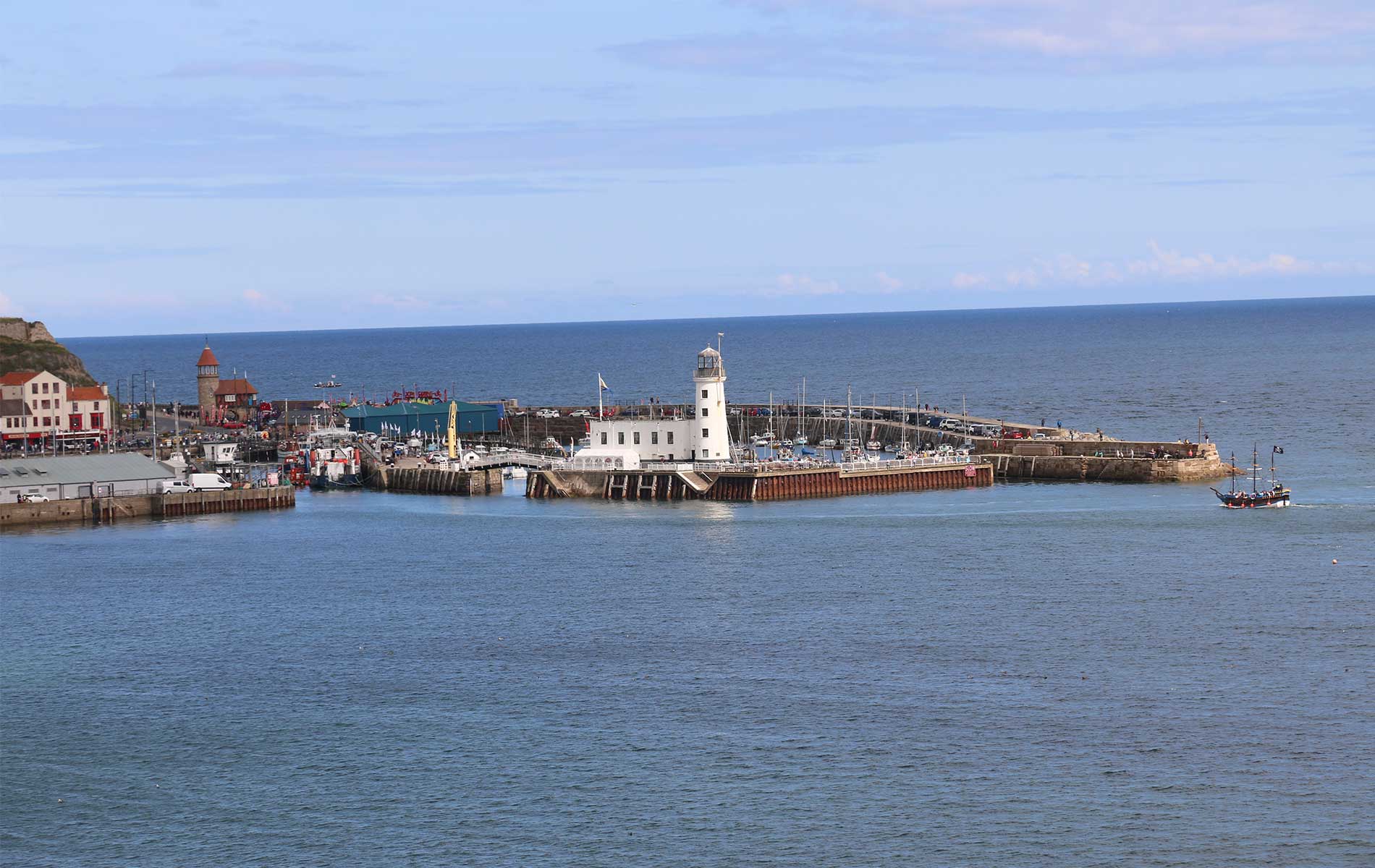
it offers great photographic opportunities.
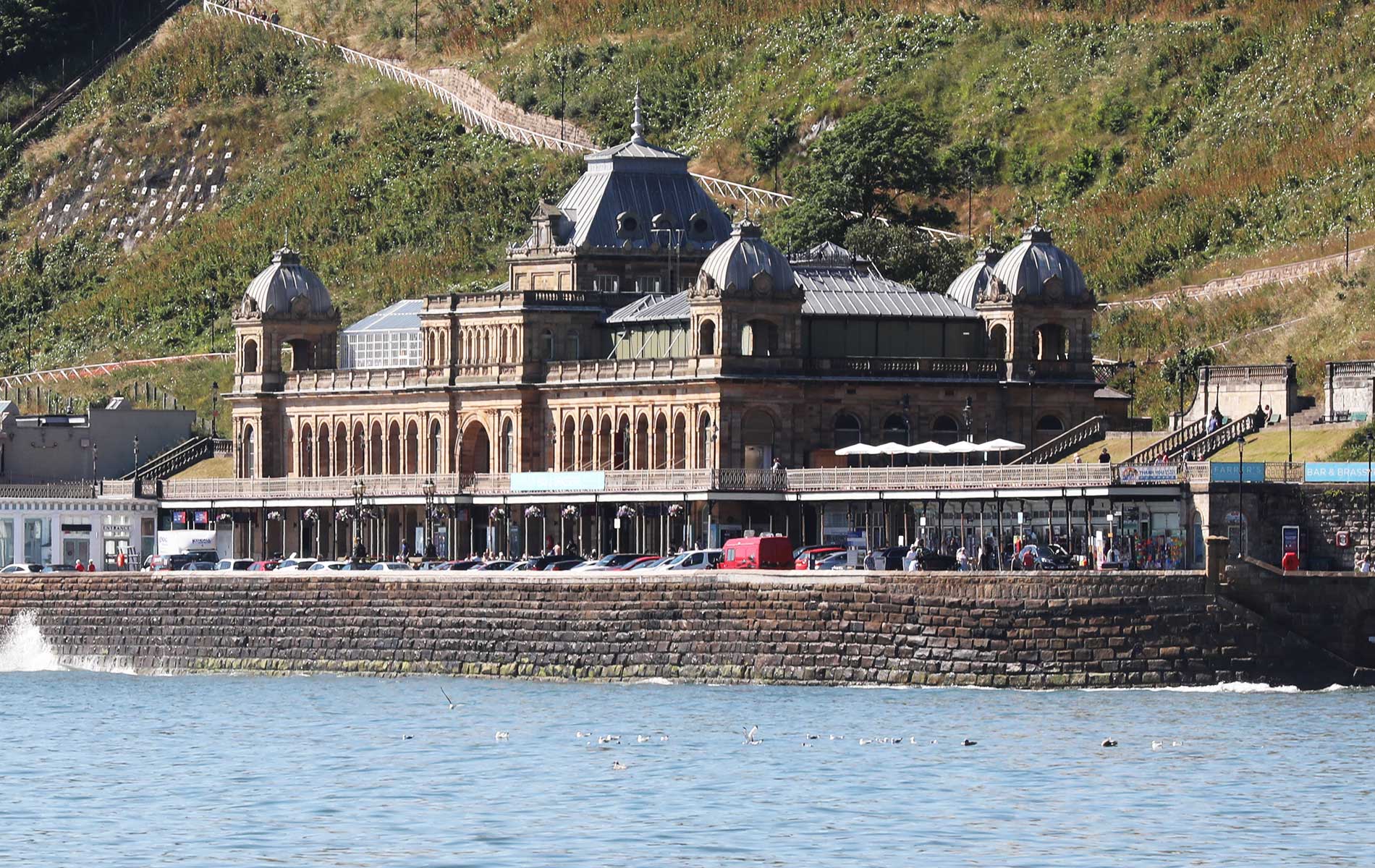
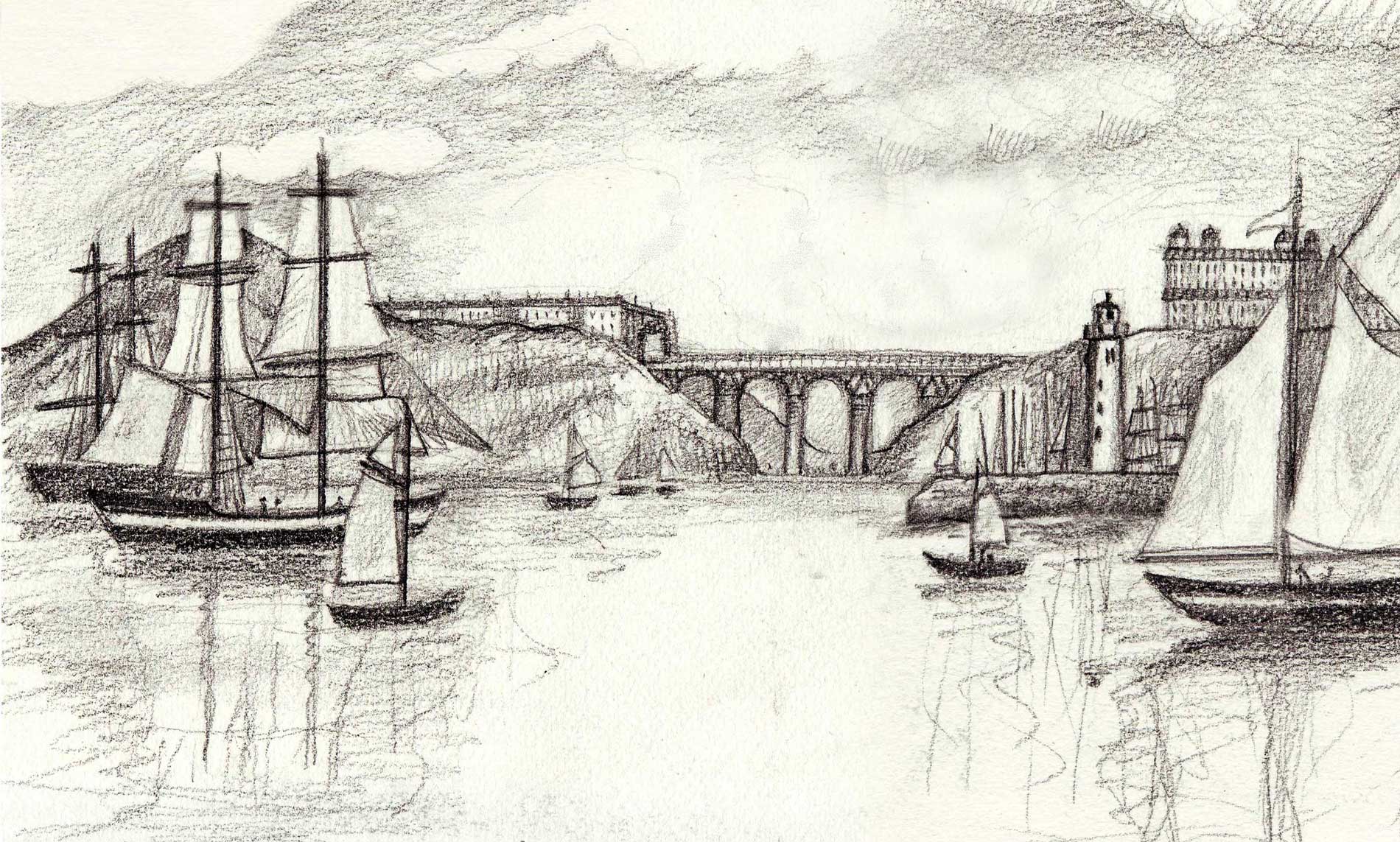
By the 1800s, South Scarborough had become a well-established tourist destination, evolving from a fishing town into one of the country's first and most popular holiday resorts, attracting keen entrepreneurs looking to benefit from its growing fame.
Illustrator. Trish Phillips
In 1826, the Cliff Bridge Company was formed, acquiring the lease for the Spa entertainment complex and planning a bridge to connect the town center with new attractions on the south side.
The steep ravine separating St Nicholas Cliff from the Spa posed challenges for visitor access.
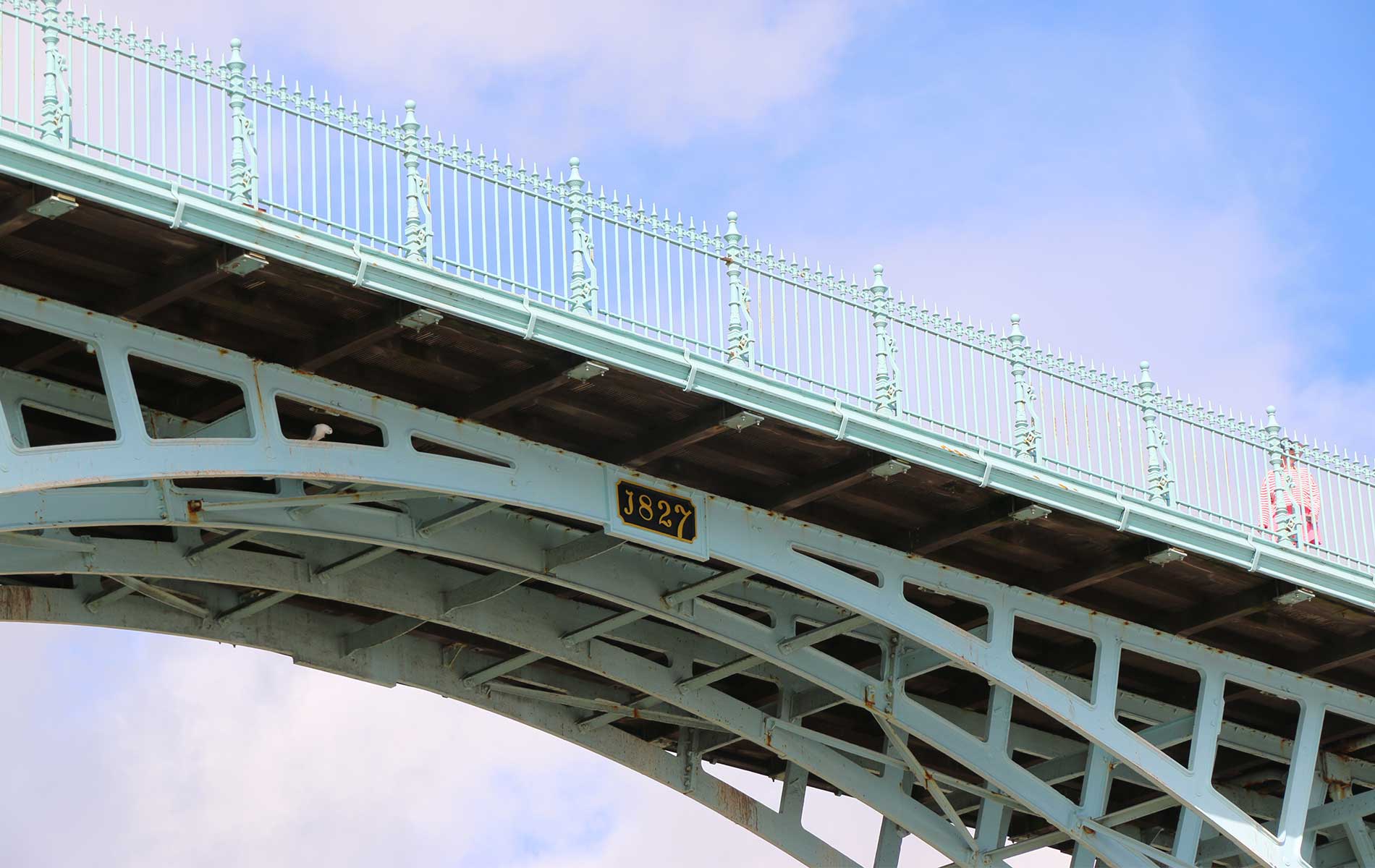
Construction of the bridge commenced after the foundation stone was laid in 1826, progressing rapidly enough to open in July of the following year. Although completed quickly, costs rose significantly—almost doubling to £7,000. (approximately £878,181.87 today)
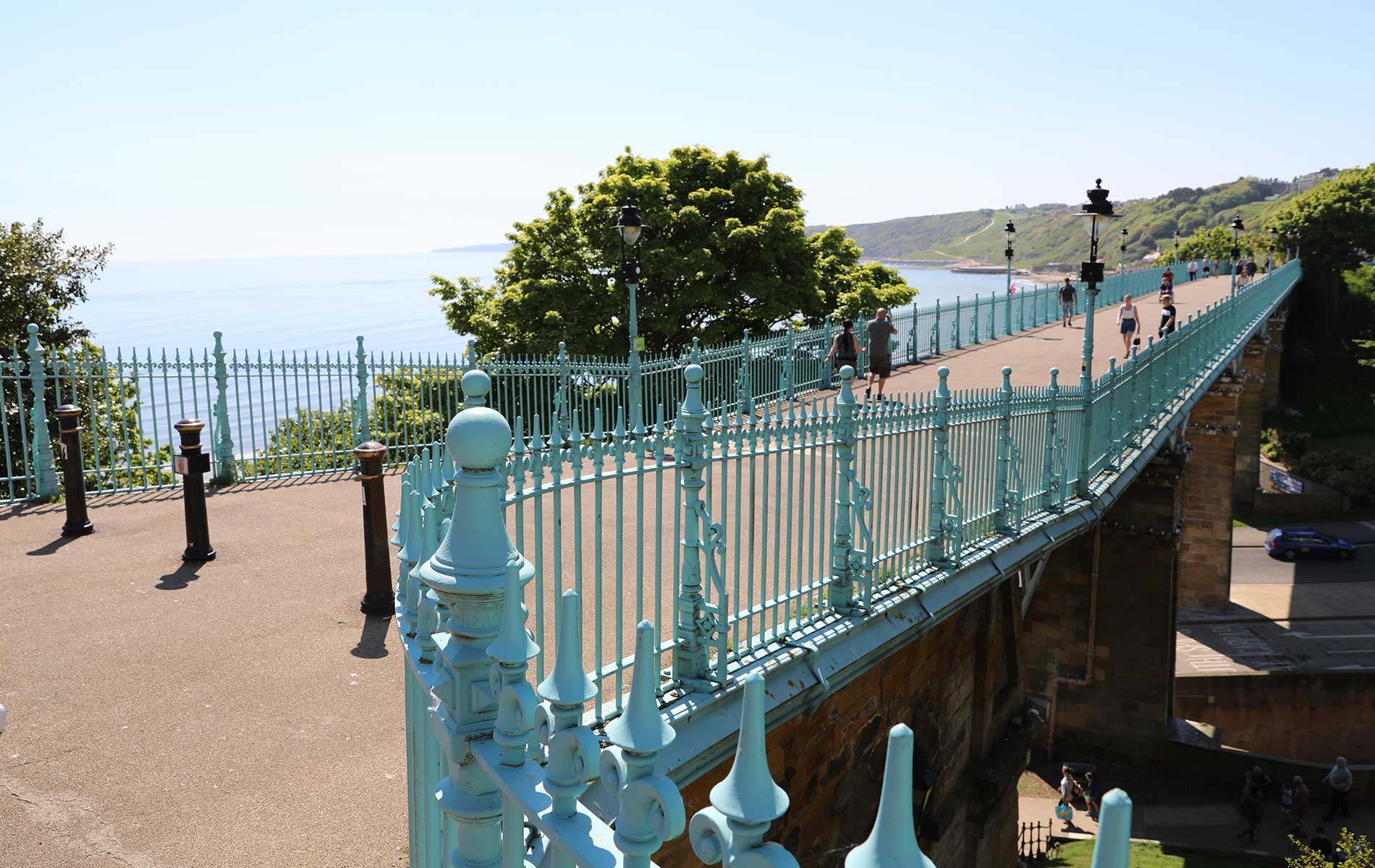
Despite the financial challenges, the bridge was deemed a success, leading to the introduction of a toll of half a penny, along with season ticket options.
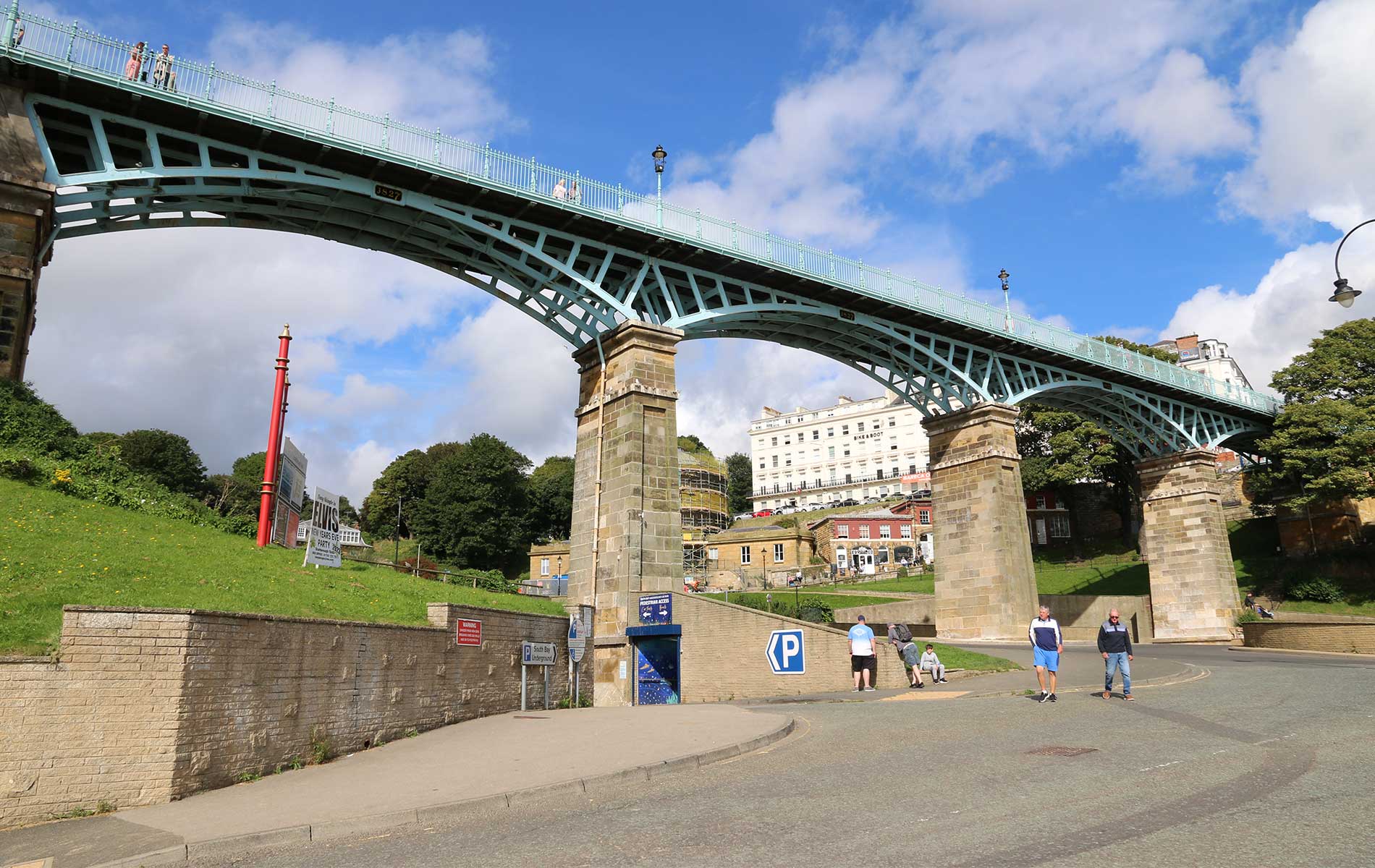
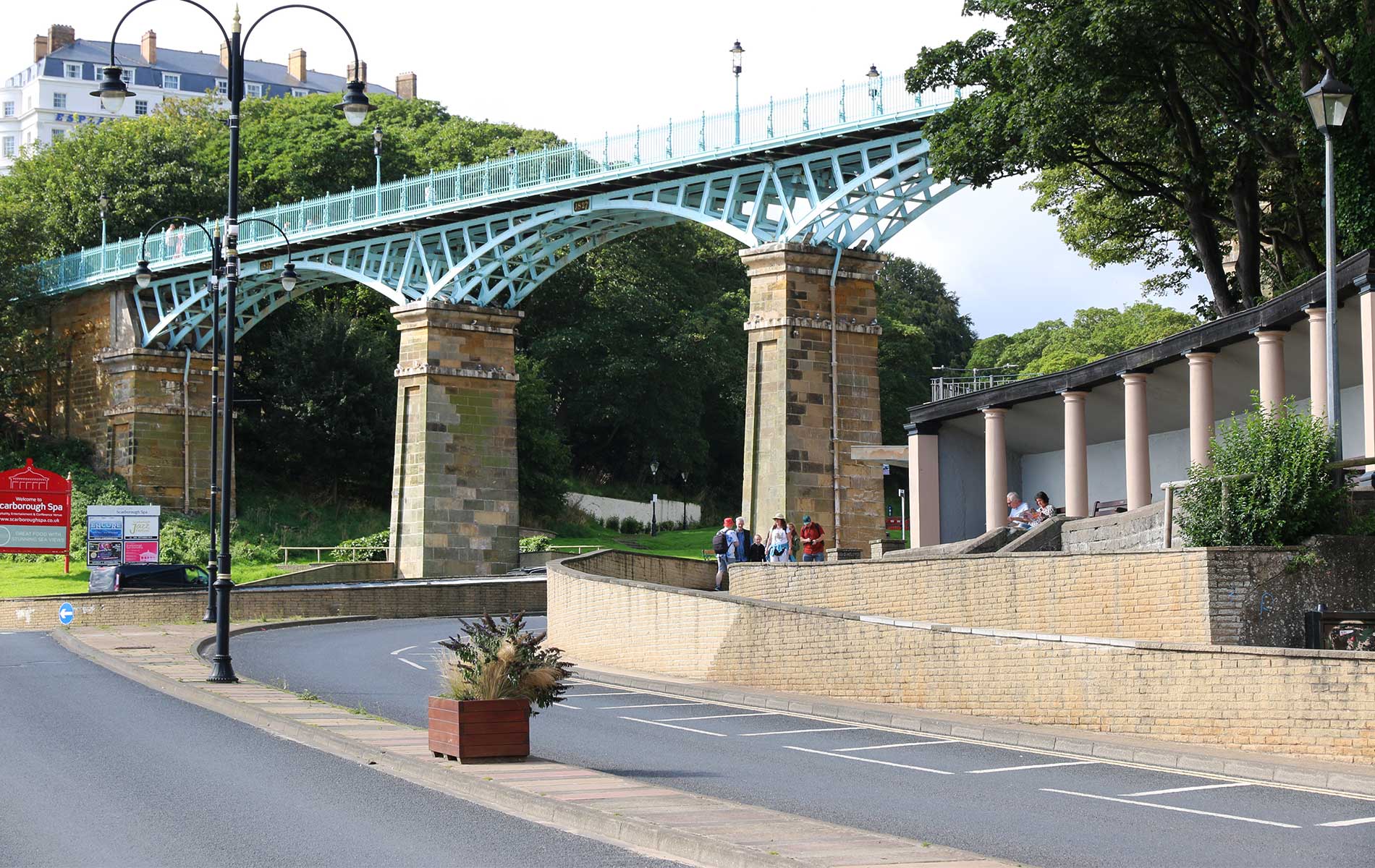
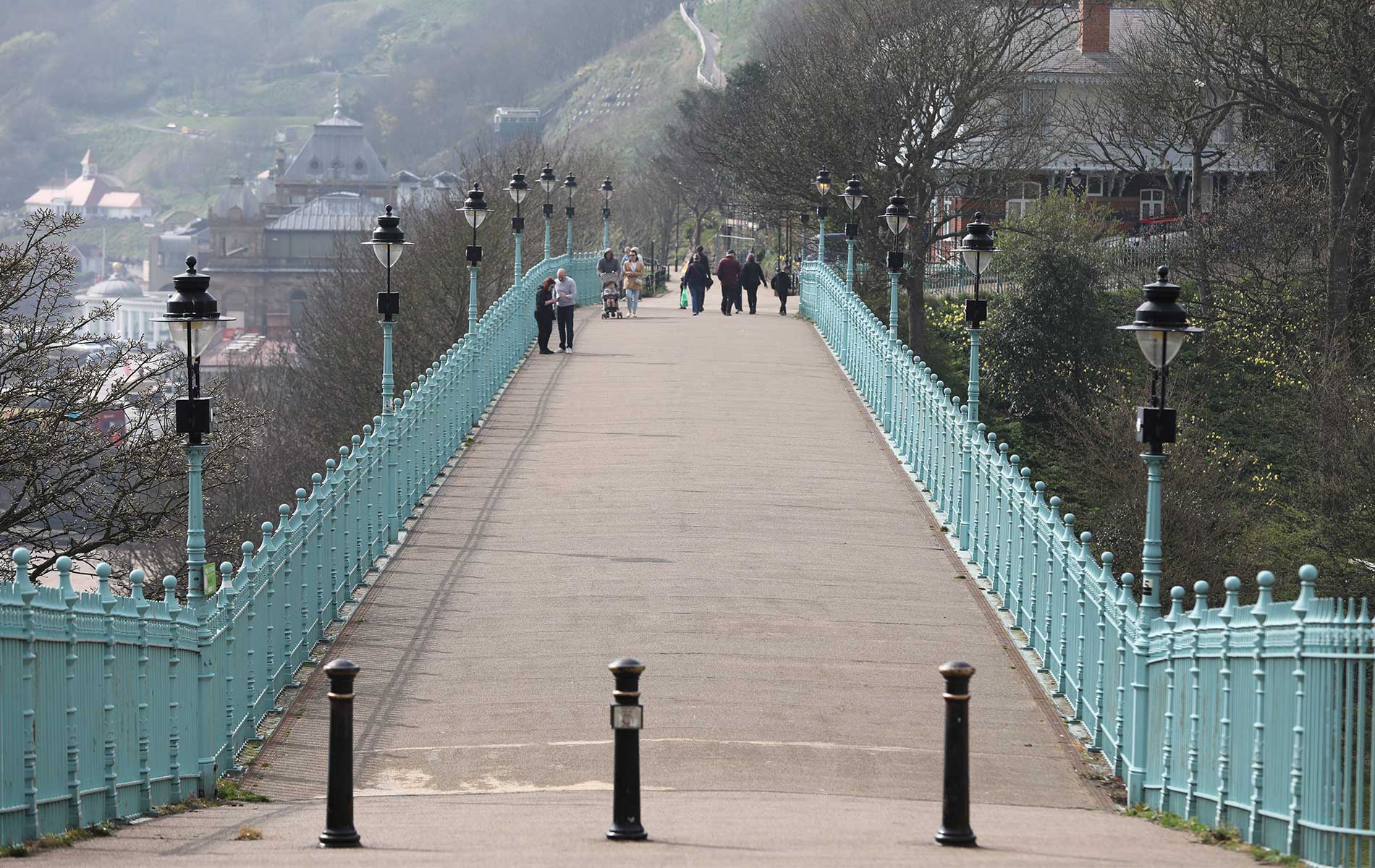
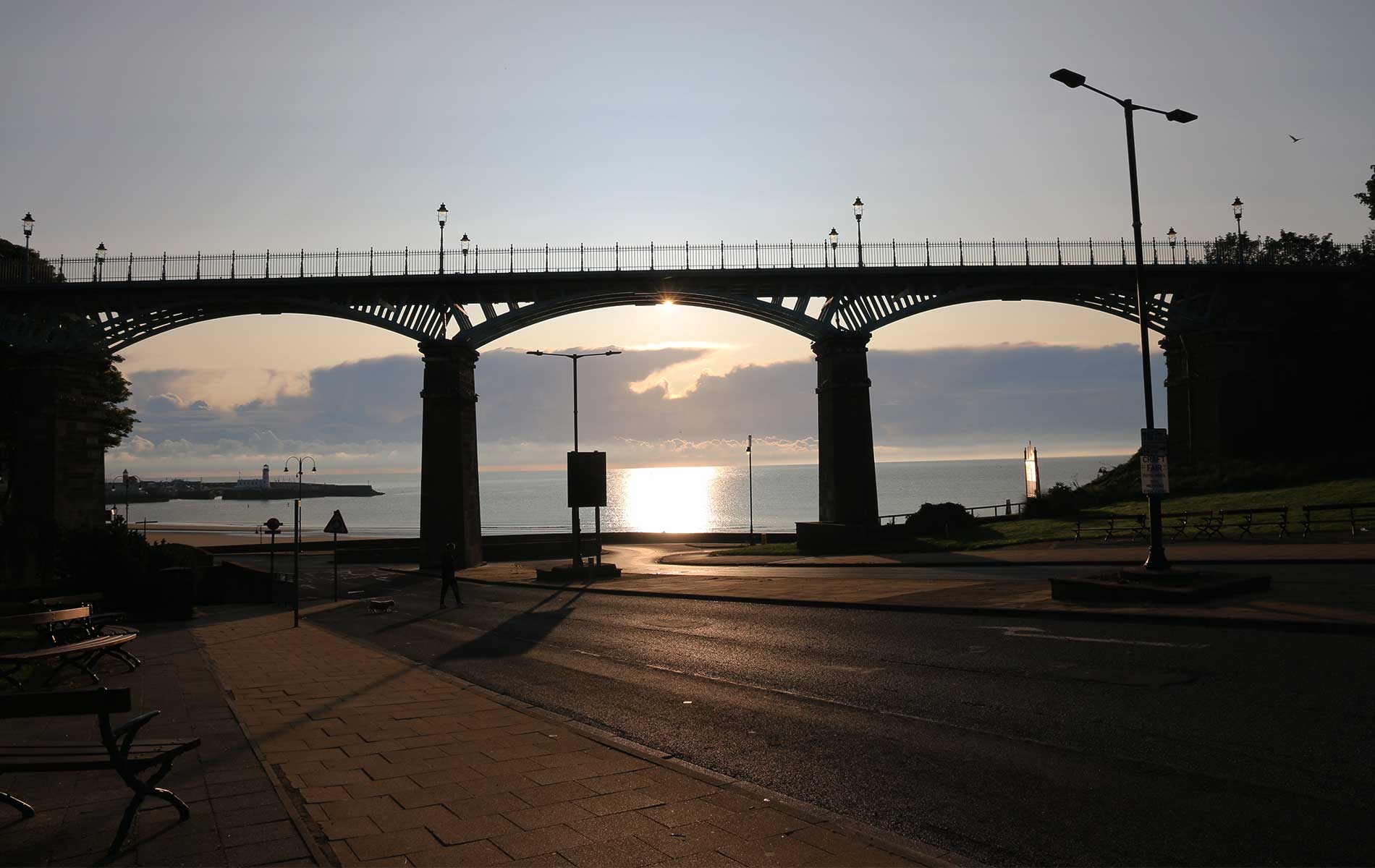
A full tour of the bridge, both over and underneath, is recommended.
Visitors will observe that the St Nicholas Cliff end of the bridge is slightly wider, and the iron work can be seen from below..
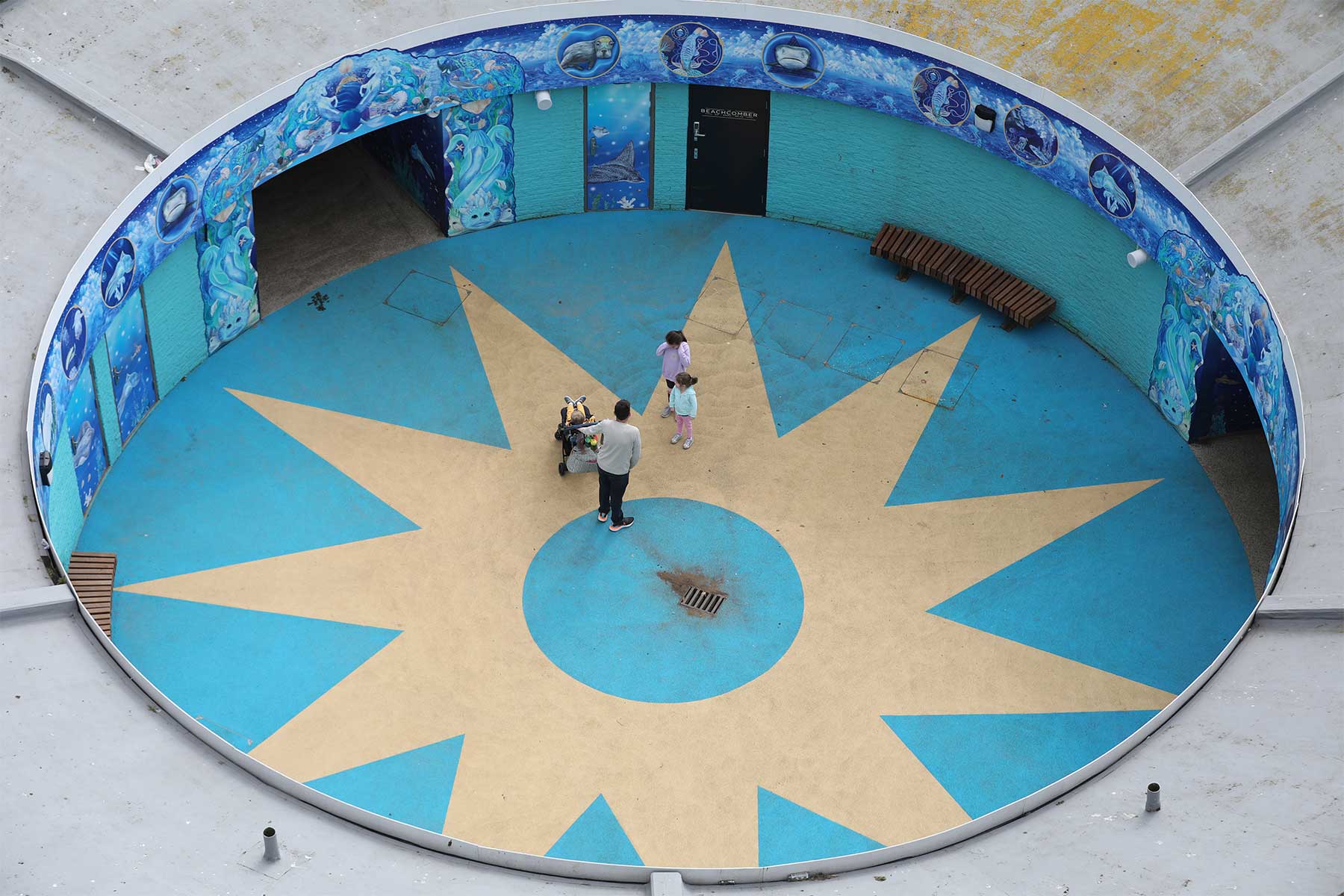
Scenic views include North Bay, Scarborough Castle, the Grand Hotel, and the blue-painted subway and toilets.
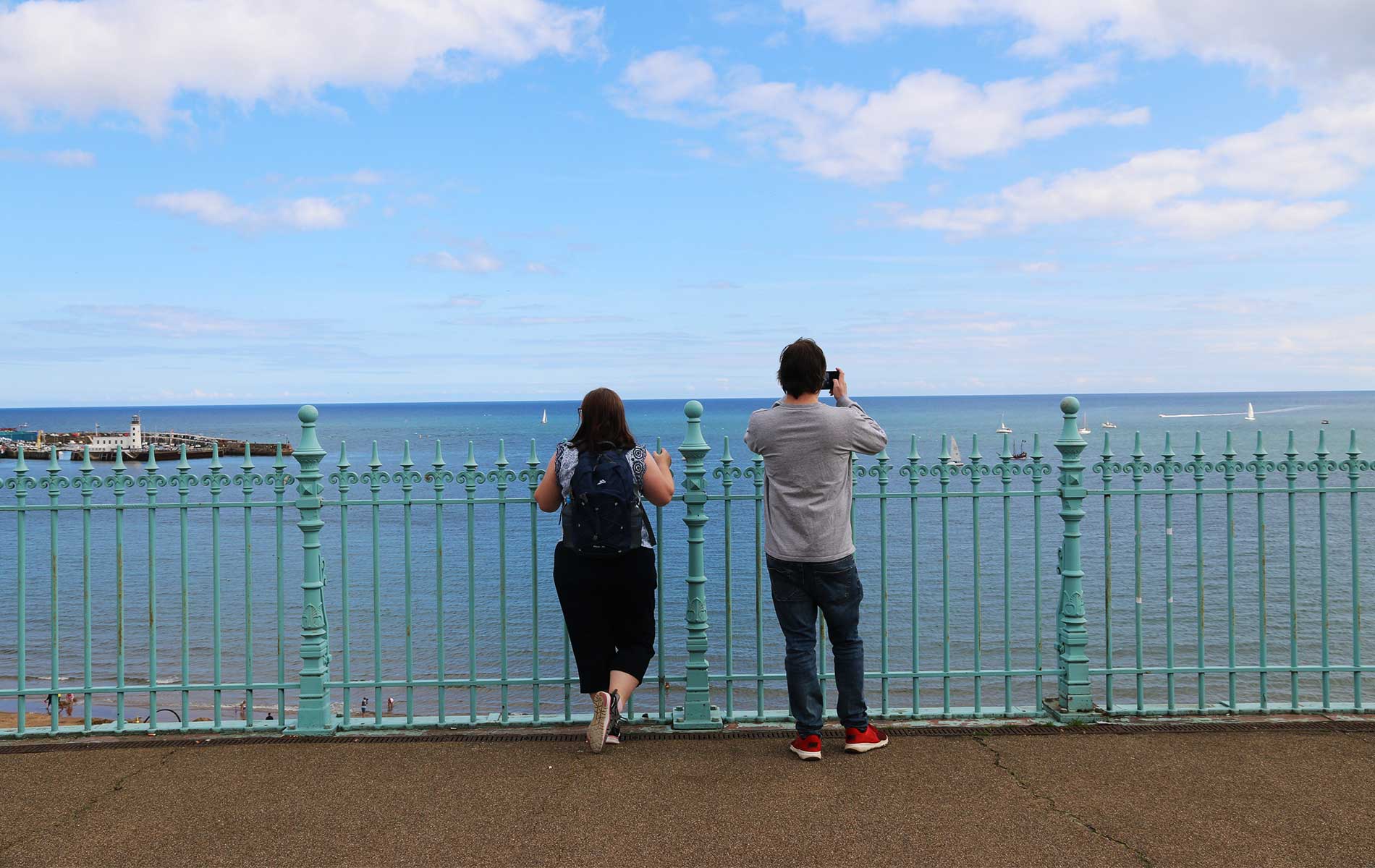
It offers excellent views of South Bay and the Spa while providing a convenient starting point for visitors to access South Cliff Gardens on foot from the town center.
Unlike in the past, today's visitors can enjoy the bridge free of charge.